

In the heart of New York, Rockland County grapples with substance abuse, yet hope emerges through robust drug rehab programs. This comprehensive guide explores addiction in our community, underscoring the paramount importance of professional help. From understanding the intricate nature of addiction to navigating diverse treatment options and uncovering therapeutic approaches, we demystify the path to recovery. Discover how inpatient and outpatient programs cater to individual needs, and gain insights into aftercare strategies for lasting addiction recovery.
- Understanding Addiction: A Comprehensive Look at Substance Abuse in Rockland County
- The Importance of Drug Rehab: Benefits and Expectations for Recovery
- Navigating Treatment Options: Inpatient vs Outpatient Programs in NY
- What to Expect During Rehabilitation: Therapeutic Approaches and Support Systems
- Aftercare and Long-Term Sustainability: Building a Life Free from Addiction
Understanding Addiction: A Comprehensive Look at Substance Abuse in Rockland County
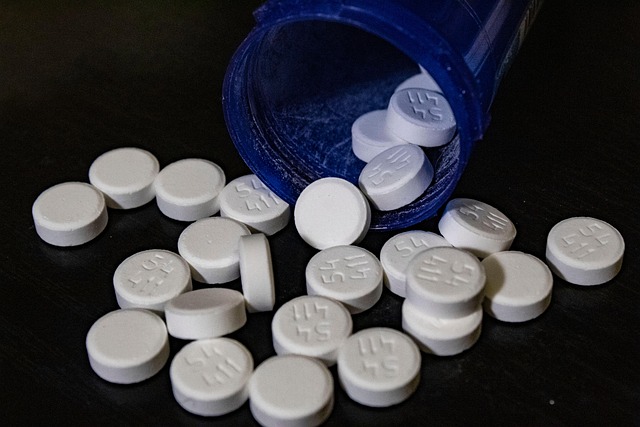
Addiction, a complex and multifaceted condition, has become a significant concern in Rockland County, NY. Substance abuse, often driven by underlying mental health issues, social factors, and personal struggles, affects individuals across all demographics. Understanding addiction as a disease is crucial in the quest for effective treatment and recovery.
In Rockland County, the prevalence of substance abuse highlights the need for comprehensive addiction recovery services. The journey towards healing involves addressing the physical dependence on drugs or alcohol, managing withdrawal symptoms, and tackling the psychological aspects that contribute to addiction. Through counseling, therapy, support groups, and personalized treatment plans, individuals can break free from the cycle of dependency and embark on a path towards lasting recovery.
The Importance of Drug Rehab: Benefits and Expectations for Recovery

Drug rehab is a critical component in addressing and overcoming addiction recovery. It provides a structured and supportive environment where individuals can focus on their well-being and break free from the cycle of substance abuse. The benefits of drug rehab extend beyond mere abstinence; it aims to equip participants with the tools and skills needed for long-term success, including improved decision-making abilities, enhanced coping strategies, and increased resilience to triggers and stress.
During rehab, individuals can expect a holistic approach to addiction recovery. This involves therapy sessions, group support, educational workshops, and sometimes medical intervention. The overall goal is to understand the root causes of addiction, develop healthier habits, and establish a strong foundation for a sober lifestyle. By participating in these structured programs, those struggling with addiction can better manage their symptoms, regain control over their lives, and build a brighter future free from the shackles of substance abuse.
Navigating Treatment Options: Inpatient vs Outpatient Programs in NY

In navigating the path to addiction recovery, understanding the differences between inpatient and outpatient programs is crucial. New York, with its diverse range of treatment options, offers both models for individuals seeking help. Inpatient programs in Rockland County provide a more intensive and immersive experience, where residents live at the facility throughout their treatment journey. This setting offers round-the-clock care, structured routines, and a safe environment to focus on healing without external distractions. Outpatient programs, on the other hand, allow individuals to receive treatment during specific hours while maintaining their daily routines at home. This flexibility is ideal for those who may have work or family commitments but still require professional support and guidance in their addiction recovery process.
Both approaches have their merits and are tailored to meet individual needs. Inpatient programs offer a more immersive experience, fostering deeper connections with peers and therapists, while outpatient services provide the advantage of familiar surroundings and personal responsibility. New York’s healthcare landscape offers a diverse range of choices, ensuring that individuals can access the support they need for successful addiction recovery.
What to Expect During Rehabilitation: Therapeutic Approaches and Support Systems
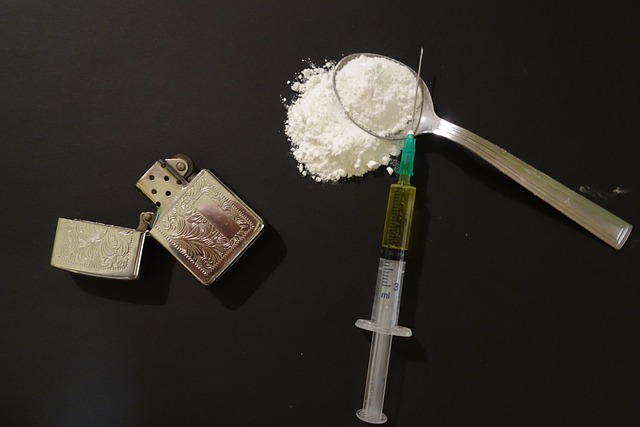
During rehabilitation for drug addiction in Rockland County, NY, individuals can expect a holistic and personalized approach to their recovery journey. Rehabilitation typically involves a combination of therapeutic interventions designed to address the physical, mental, and emotional aspects of addiction. Clients engage in individual therapy sessions where they explore underlying causes of their addiction, develop coping strategies, and work on improving self-esteem. Group therapy is also a significant component, fostering a sense of community and shared experience among peers. This collaborative environment encourages accountability, support, and the exchange of recovery insights.
Rehab programs emphasize evidence-based therapeutic approaches such as cognitive-behavioral therapy (CBT), which helps individuals identify and change negative thought patterns and behaviors contributing to addiction. Additionally, family therapy sessions are offered to repair relationships and rebuild a supportive network crucial for long-term addiction recovery. Support systems play a pivotal role in the success of rehabilitation, with aftercare planning ensuring continuity of care even after the formal program ends. This includes referrals to support groups, like Alcoholics Anonymous or Narcotics Anonymous, which provide ongoing encouragement and accountability in maintaining sobriety.
Aftercare and Long-Term Sustainability: Building a Life Free from Addiction

After completing an initial phase of drug rehab in Rockland County, NY, the real work begins: maintaining long-term recovery and building a life free from addiction. This crucial period often involves ongoing therapy, support groups, and life skill training to help individuals navigate triggers, develop coping strategies, and reintegrate into society successfully.
A comprehensive aftercare plan is essential for sustainable addiction recovery. It includes staying connected with therapists or counselors, participating in alumni programs, and building a strong support network of peers who understand the challenges of addiction. By fostering these connections and adopting healthy habits, individuals can create a new, positive identity separate from their addiction, setting them up for long-term success in their recovery journey.