
Substance Use Disorder (SUD) is a complex issue affecting millions worldwide. This article guides you through the multifaceted journey of SUD recovery, from understanding the disorder's definition and impact to exploring effective step-by-step strategies for healing. We delve into overcoming barriers, highlighting the crucial role of support systems, and offering insights on sustaining recovery through lifestyle adjustments. Discover practical solutions and inspiration for a successful path forward in managing SUD.
- Understanding Substance Use Disorder: Definition and Impact
- The Journey to Recovery: Stepping Stones and Strategies
- Overcoming Barriers: Challenges and Solutions for Lasting Change
- Support Systems: The Role of Family, Friends, and Professional Help
- Sustaining Recovery: Lifestyle Adjustments and Long-Term Success
Understanding Substance Use Disorder: Definition and Impact

Substance Use Disorder (SUD) refers to a complex condition characterized by an impaired ability to stop or control using a particular substance, despite adverse social, occupational, and health consequences. It encompasses a range of behaviors, from mild impairment to severe addiction, where individuals continue to use substances despite knowing the harmful effects. SUD can affect anyone, regardless of age, background, or occupation, making it a significant public health concern.
The impact of SUD is far-reaching, affecting not only the individual struggling with addiction but also their family and community. It can lead to social isolation, legal troubles, financial problems, and physical and mental health issues. However, recovery from SUD is achievable through various evidence-based treatments and support systems. These include behavioral therapies, medication-assisted treatment, support groups, and comprehensive rehabilitation programs designed to address the underlying causes of addiction and promote lasting change. With the right approach and resources, individuals can overcome SUD, regain control of their lives, and improve their overall well-being.
The Journey to Recovery: Stepping Stones and Strategies
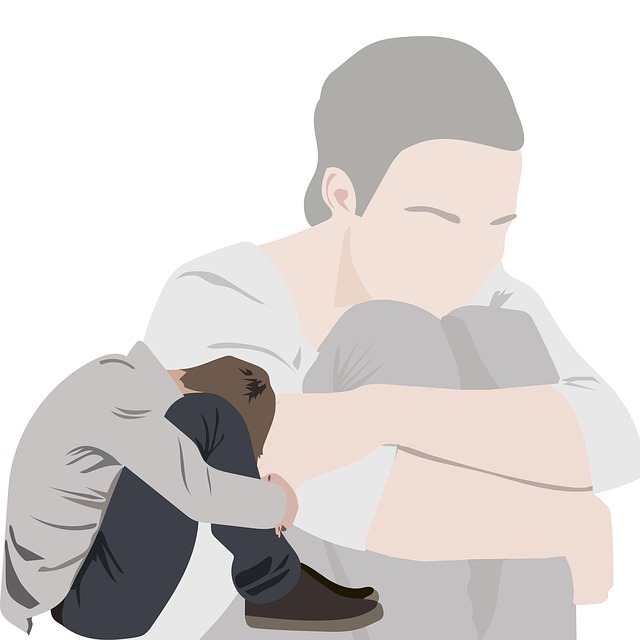
The journey to recovery from a substance use disorder (SUD) is often described as a path filled with stepping stones and unique strategies tailored to each individual's needs. This transformative process requires dedication, resilience, and a willingness to embrace change. One of the initial steps involves acknowledging the problem and accepting help, which can be challenging yet empowering. Many find support in seeking professional guidance from therapists or counselors who provide valuable tools for managing cravings and triggers.
Personal strategies play a significant role in SUD recovery. This may include adopting healthy coping mechanisms like meditation, exercise, or engaging in hobbies to redirect focus and manage stress. Building a strong support network by connecting with understanding friends and family can also be transformative. Additionally, learning from peer groups offers valuable insights and encouragement throughout the healing process. These collective efforts contribute to sustainable recovery, enabling individuals to reclaim their lives and forge a brighter future free from substance dependence.
Overcoming Barriers: Challenges and Solutions for Lasting Change

Overcoming barriers is an integral part of achieving lasting change, especially in the context of Substance Use Disorder (SUD) recovery. Many individuals face numerous challenges on their path to long-term sobriety, making it crucial to understand and address these barriers effectively. One significant obstacle is the lack of accessible, quality treatment options, which can deter people from seeking help. To bridge this gap, communities should advocate for expanded access to evidence-based therapy, support groups, and rehabilitation centers.
Additionally, societal stigma surrounding SUD often prevents individuals from opening up about their struggles and reaching out for assistance. Educating the public about the nature of addiction as a chronic illness can help dispel myths and create a more supportive environment. Peer support programs and shared experiences within recovery communities can also play a pivotal role in overcoming this barrier by fostering understanding, empathy, and accountability.
Support Systems: The Role of Family, Friends, and Professional Help

Support systems play a pivotal role in the recovery journey from a Substance Use Disorder (SUD). Family and friends often form the initial line of defense, providing emotional support, understanding, and encouragement. Their unwavering belief in one's ability to recover can be a powerful motivator for an individual to seek treatment and stick to their recovery plan. Moreover, having a strong support network helps mitigate triggers and relapse risks by offering practical assistance and accountability.
Professional help, such as therapists and counselors, is another vital component of SUD recovery. These experts provide specialized knowledge and tools tailored to address the unique challenges individuals face. They facilitate therapy sessions that delve into the root causes of substance abuse, teach coping mechanisms, and equip individuals with strategies to maintain sobriety in the long term. The combination of personal and professional support significantly enhances recovery outcomes, fostering a sense of stability and well-being for those overcoming substance use disorders.
Sustaining Recovery: Lifestyle Adjustments and Long-Term Success
Recovery from a Substance Use Disorder (SUD) is a journey that requires ongoing commitment and proactive lifestyle adjustments. While initial detoxification is a significant step, it's only the beginning. Long-term success demands a holistic approach where individuals embrace healthier habits and coping mechanisms. This might include regular exercise, which not only improves physical health but also acts as a powerful mood regulator. A balanced diet, rich in nutrients, supports overall well-being and can prevent relapses by addressing underlying nutritional deficiencies often associated with addiction.
Additionally, fostering meaningful connections and engaging in therapeutic activities are vital. Support groups provide a safe space to share experiences and gain insights from peers on similar paths. Individual or group therapy sessions help individuals process their past, understand triggers, and develop strategies for managing cravings and stress. By integrating these adjustments into daily life, those in recovery can build resilience, enhance coping skills, and cultivate a sense of purpose, ensuring long-term freedom from SUD.